Equipment
-
Anchor Points: A secure attachment point to rig from. Often installed into ceilings or beams.
-
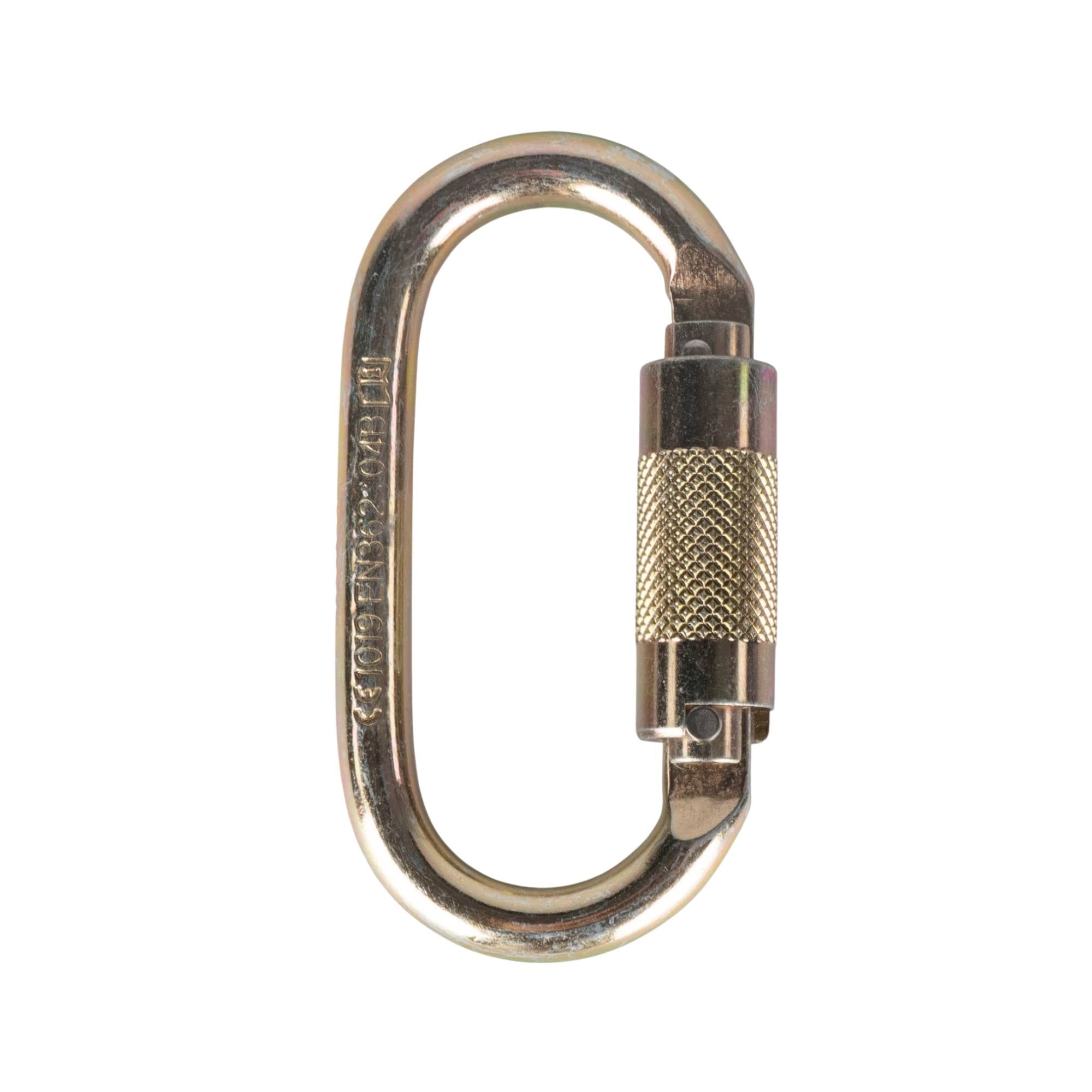
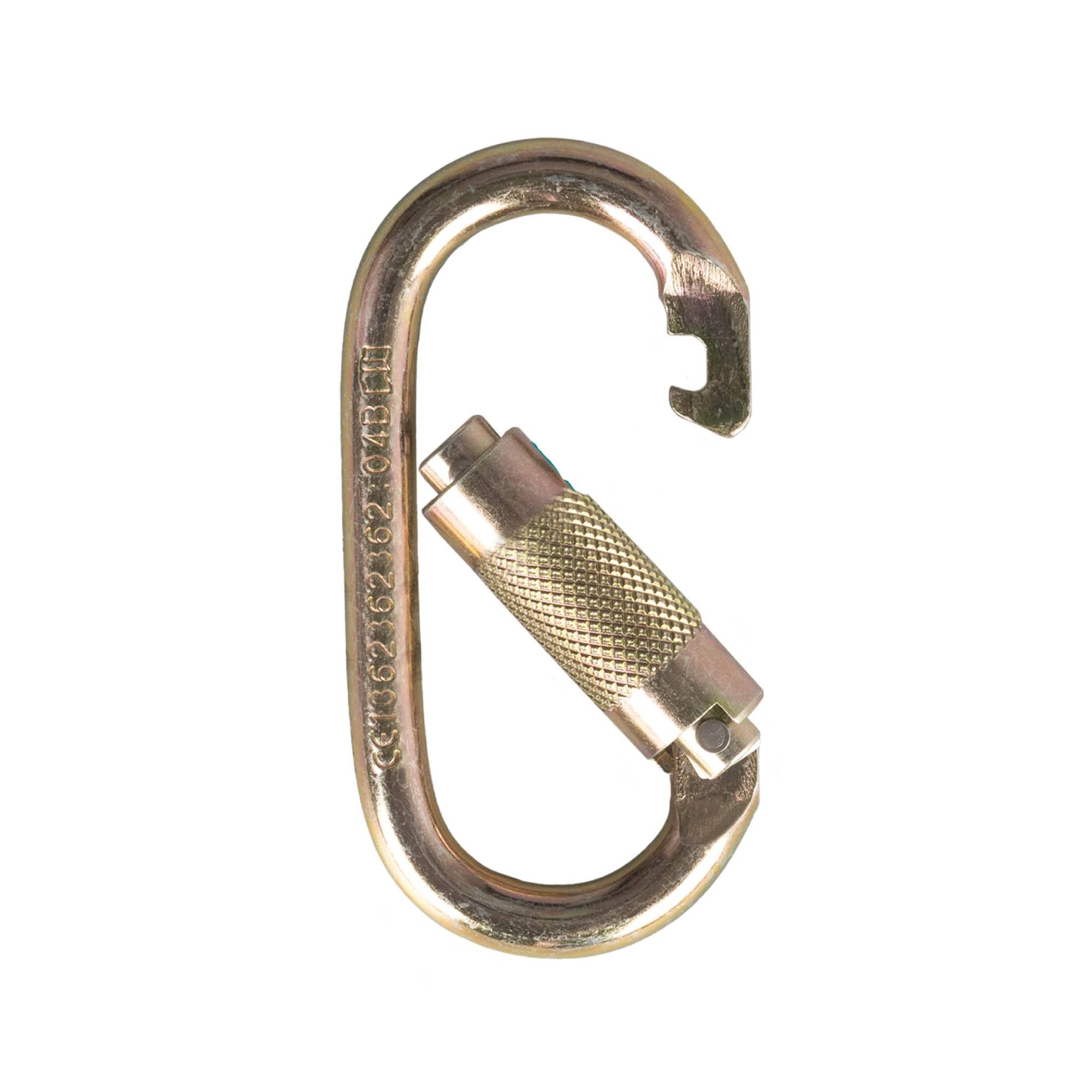
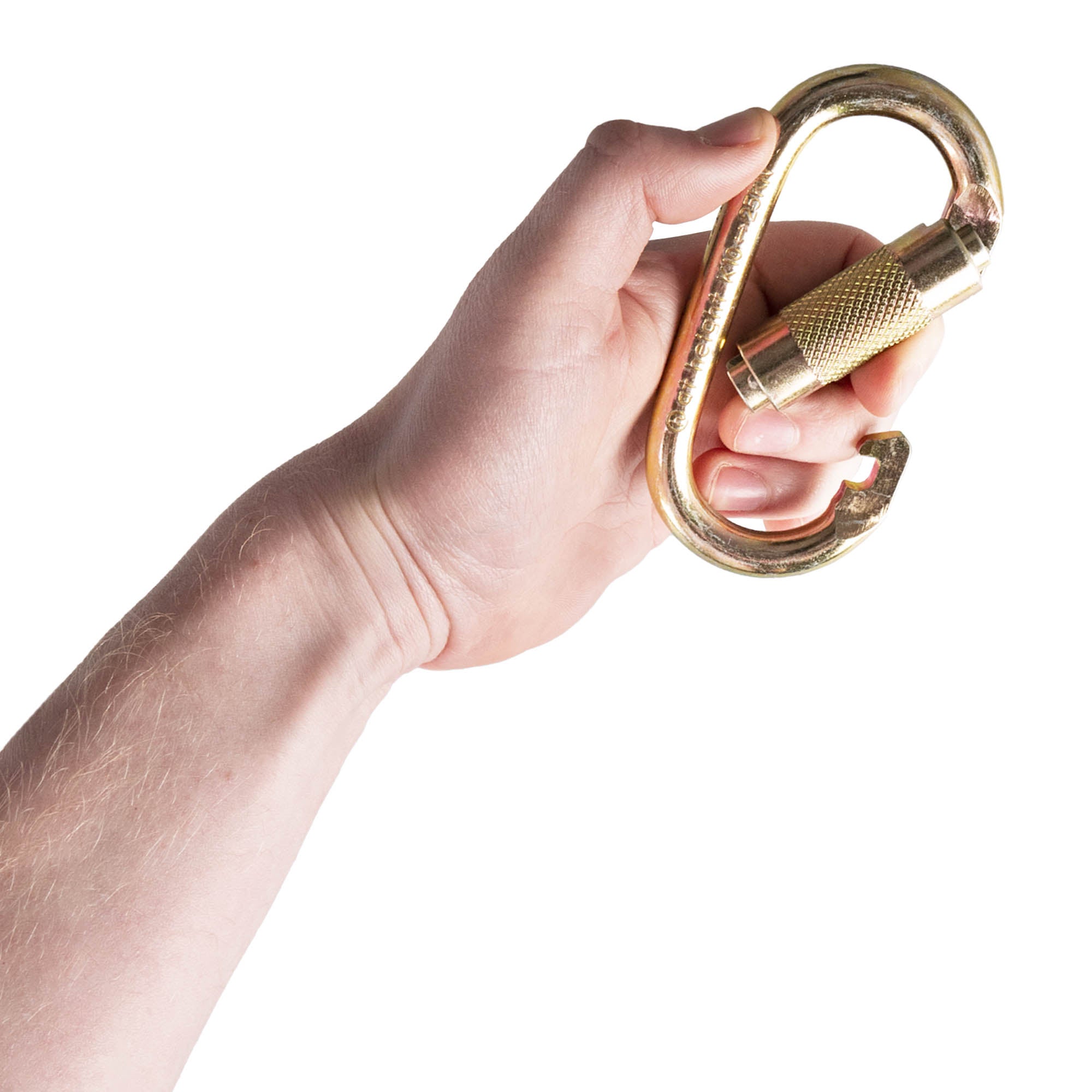
Carabiner - A metal connector with a gate opening that links your equipment together. A closed and rated carabiner is crucial for aerial rigging.
-
Crash mat / Safety Net - Crash mats or safety nets are crucial to your safety, they absorb a lot of the force when you fall and give you something soft(ish!) to land on.
-
Figure 8 / Rescue 8 - Commonly used to knot your silks onto. This can then be attached to your anchor point with a connector e.g. a carabiner.
-
Loop Sling: Small polyester slings, ideal for making small height adjustments or creating an anchor point on your rig.
-
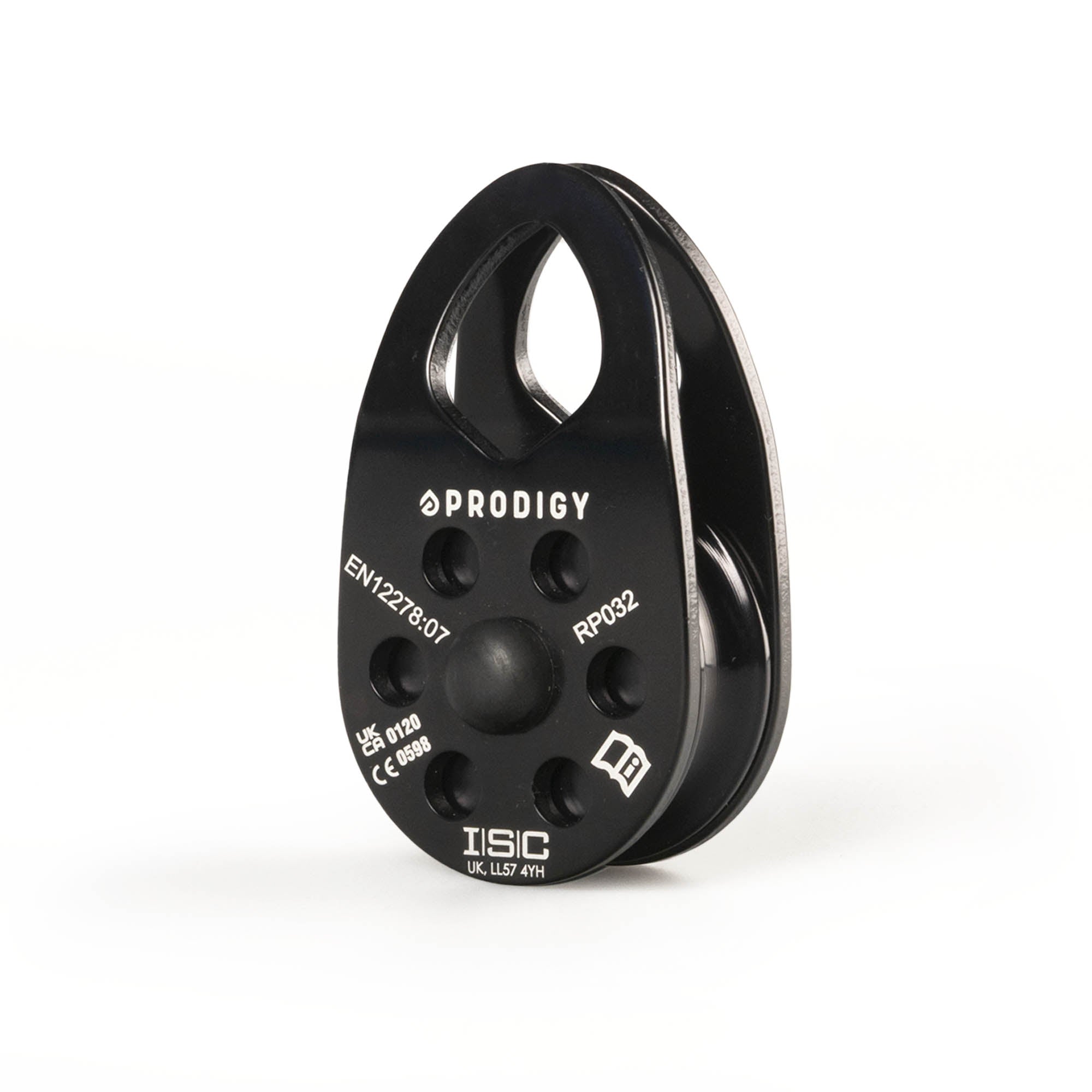
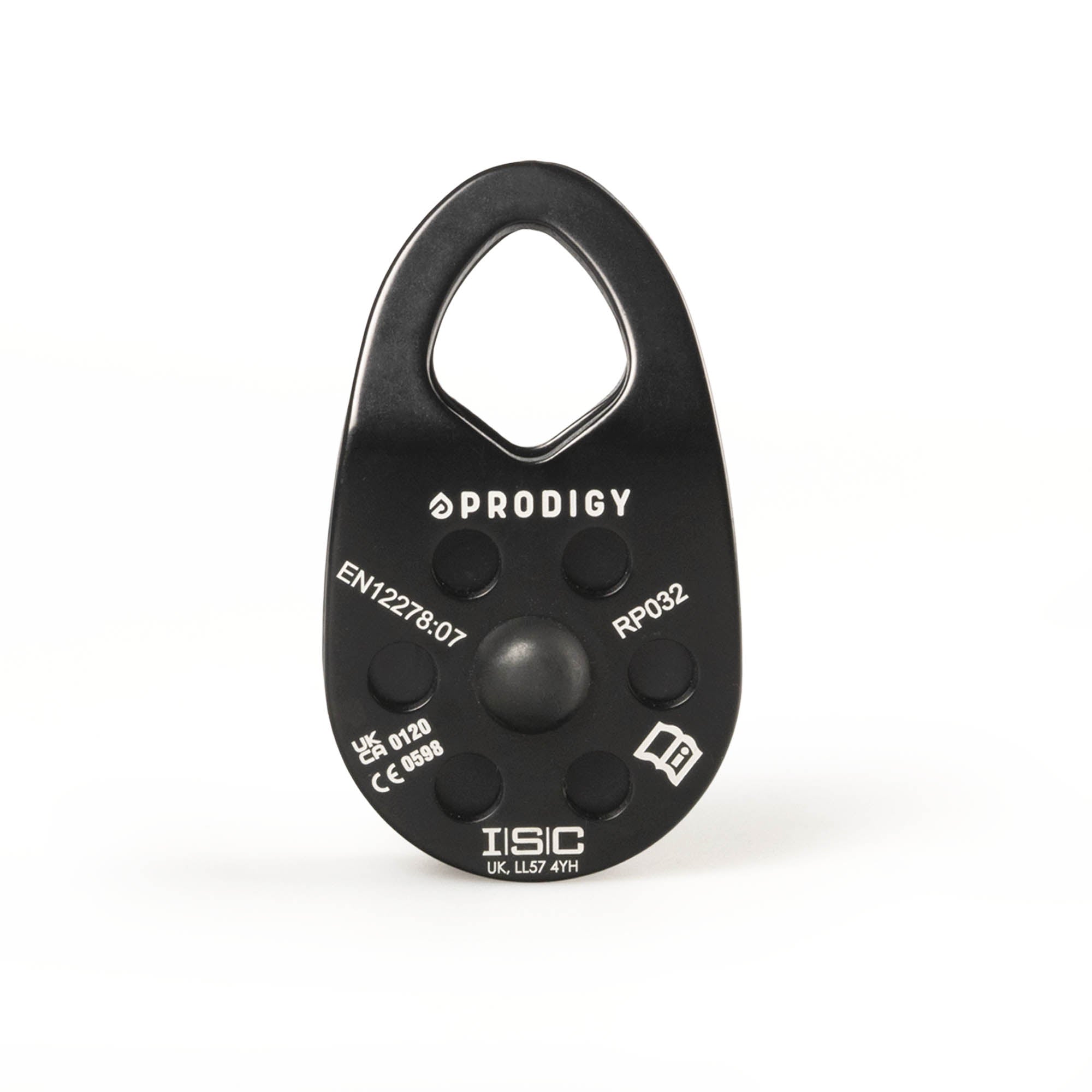
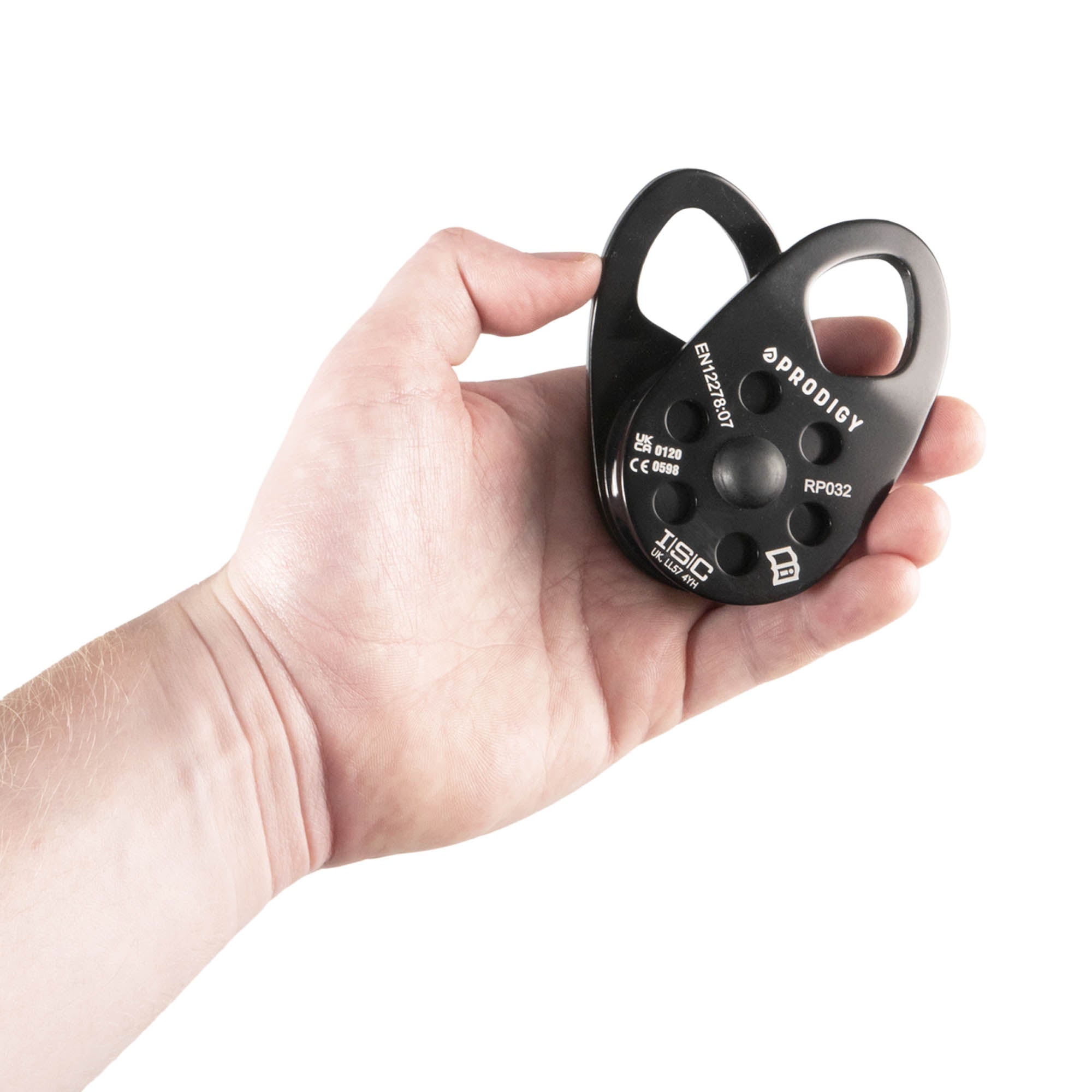
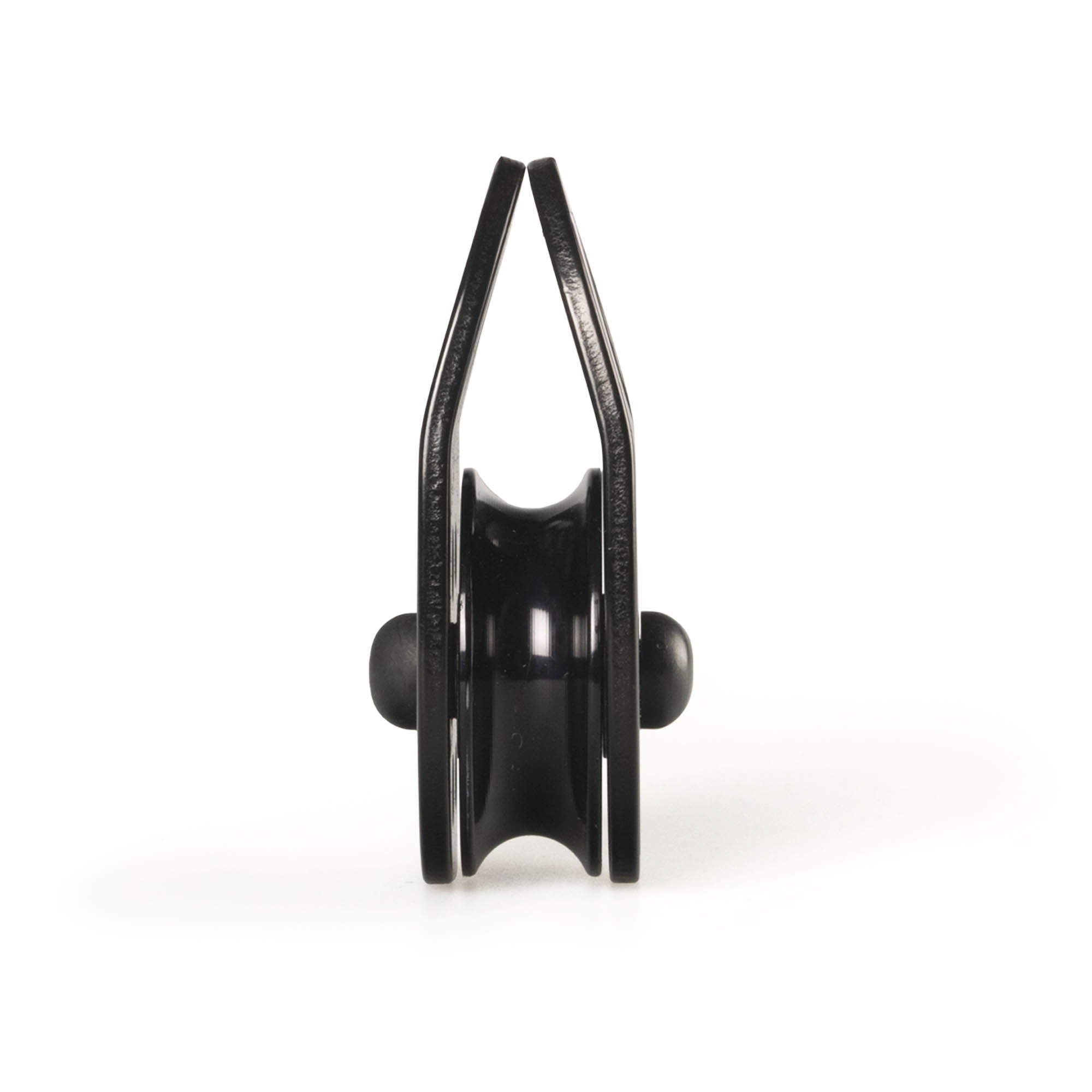
Pulleys: Allow you to raise and lower equipment easily, on a rope system. Ideal for studios, big rigs and high ceilings.
-
Rigging Plate/Paw Plate: Rigging plates are widely used in rigging applications as they allow you to make multiple connections to a single anchor point.
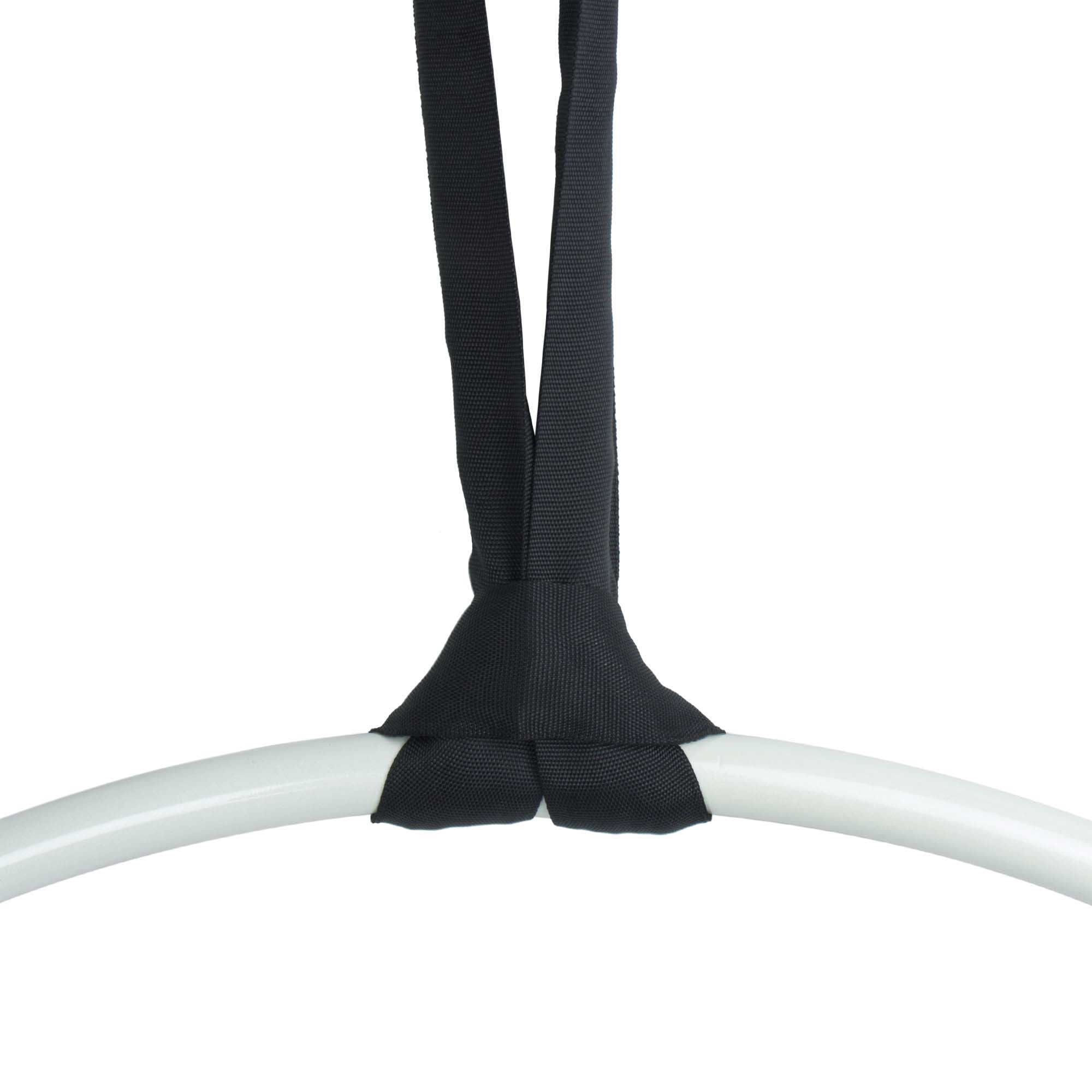
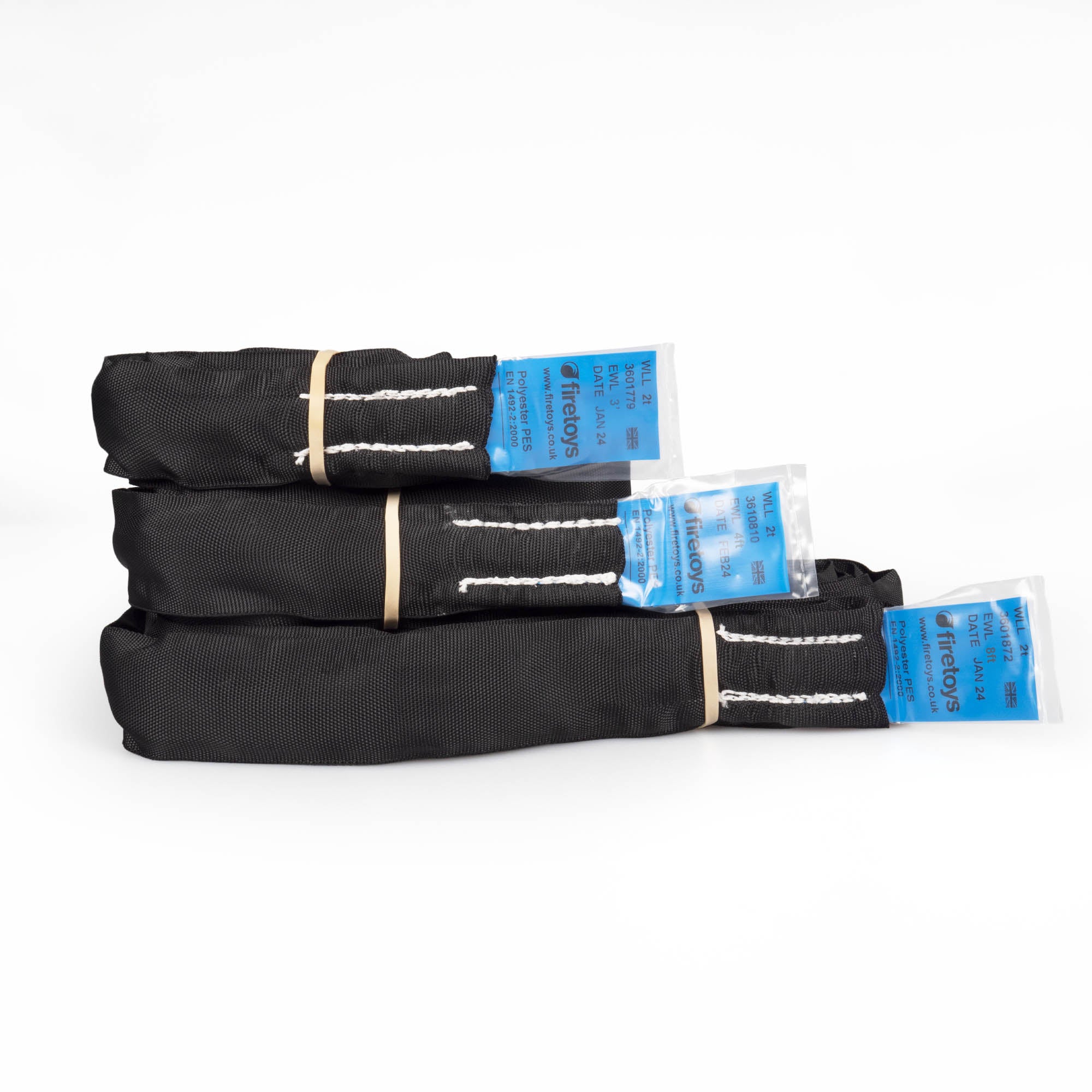
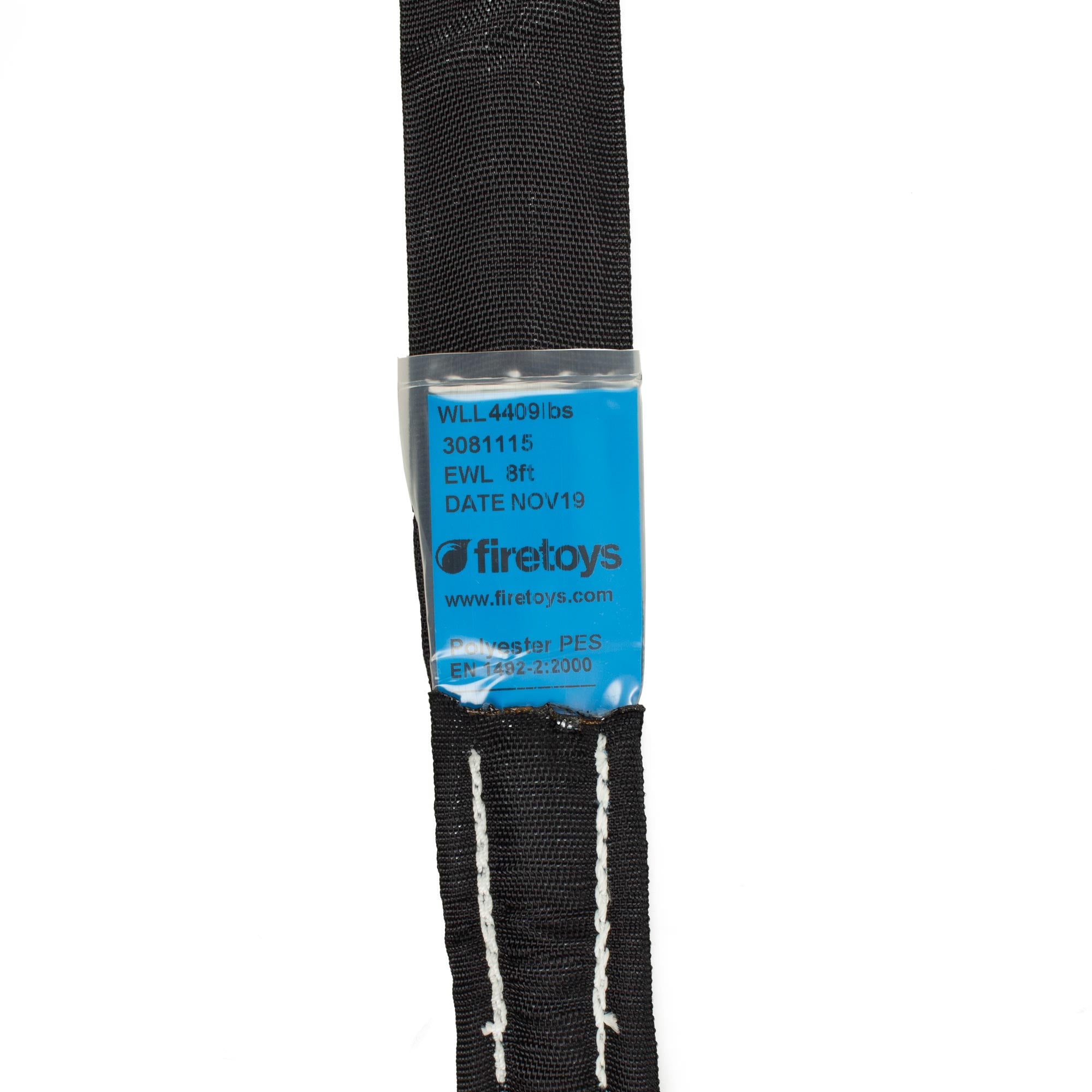
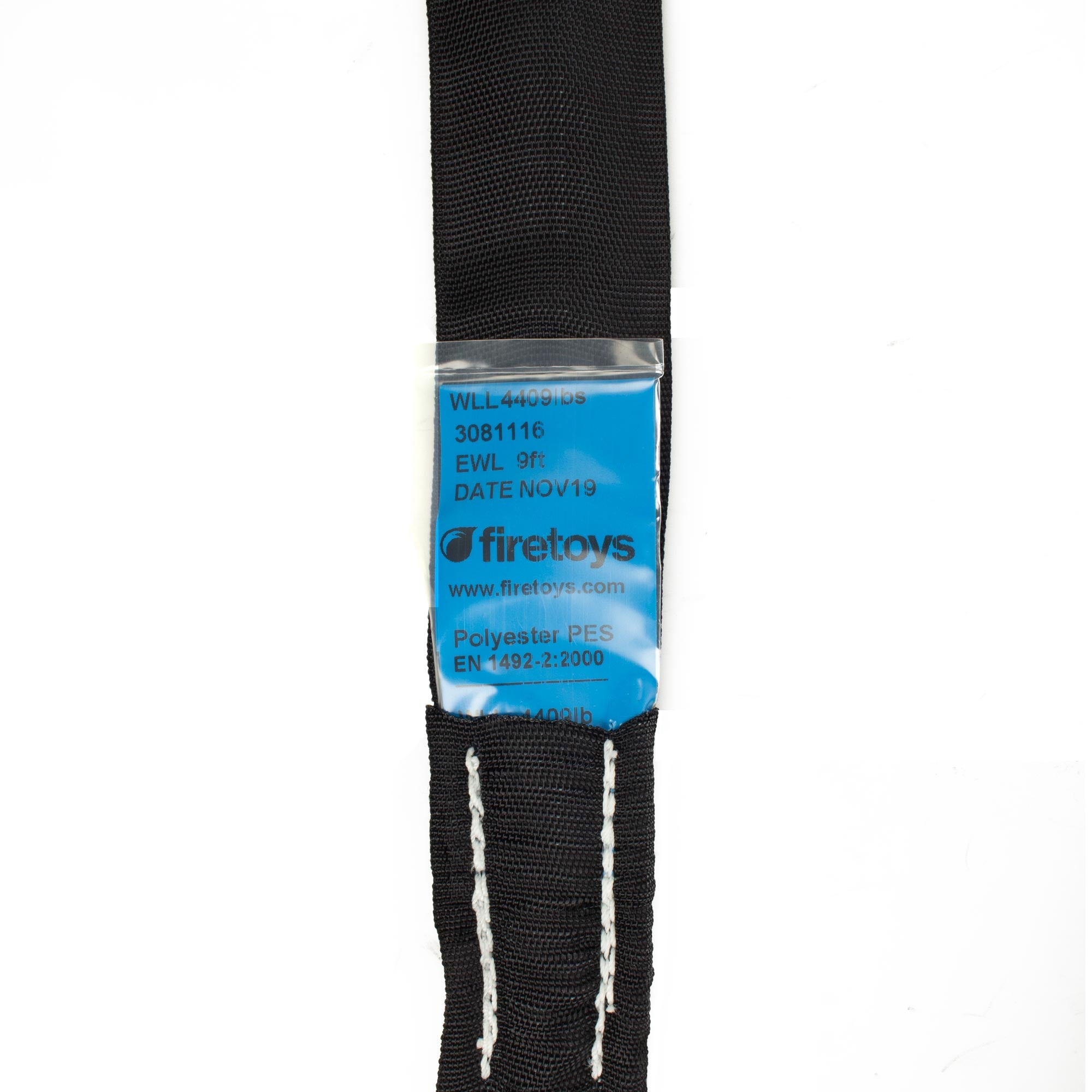
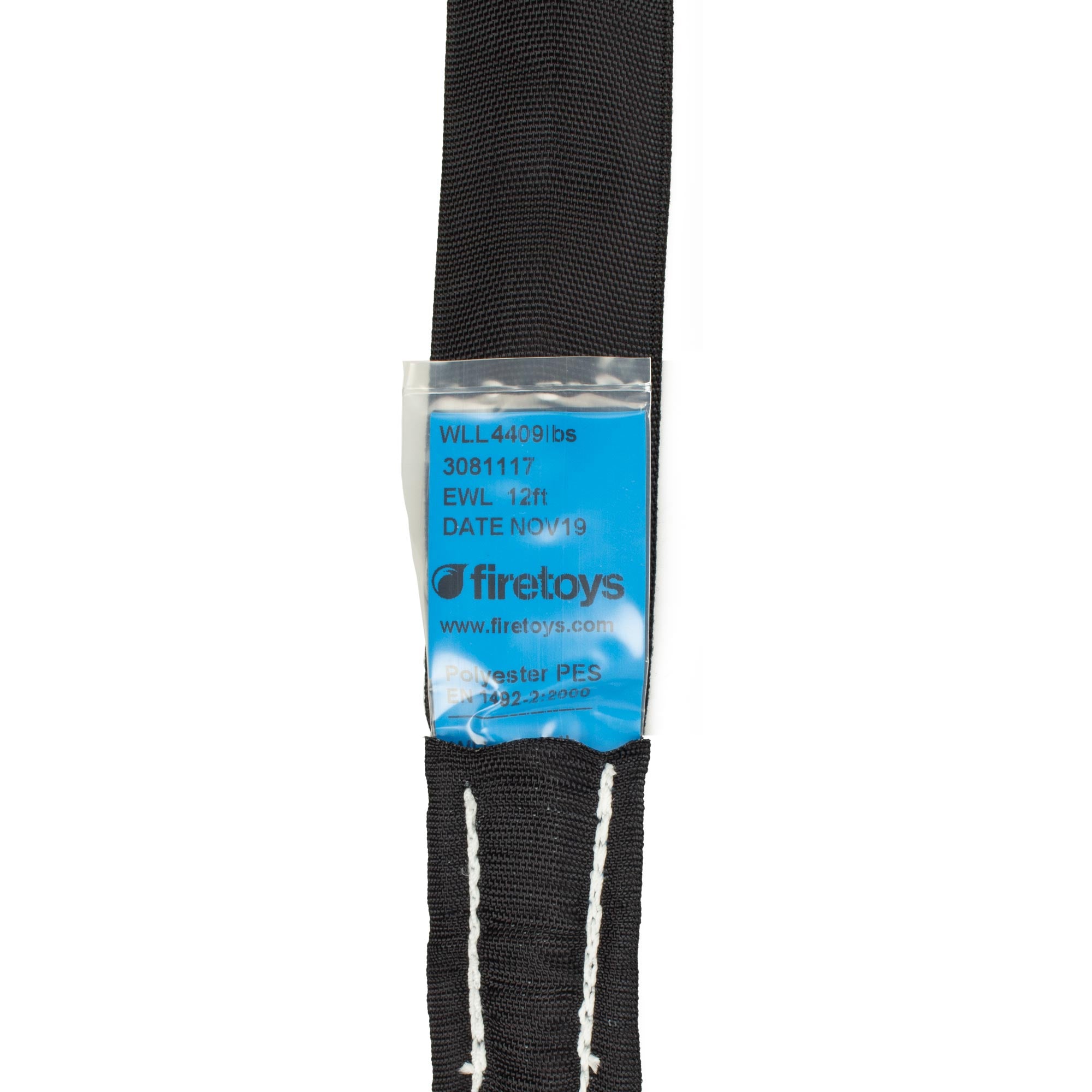
- Strop / Spanset: These are looped polyester straps ranging from 50cm to 4m in length and are used to connect your equipment from a carabiner to the anchor point.
Rigging terms
-
Anchor Point / Rigging Point - The hooks or brackets your equipment attaches to and hangs down from. This could be a single or double point configuration, depending on your space, requirements or personal preferences.
-
Dynamic Force - The weight of the user and the weight of the equipment, plus the force of movement.
-
FoS / SF - Factor of Safety / Safety Factor, This is the ratio we apply to the BLL we get from our testing to determine the WLL of our equipment. It's important to understand as these compensate for unknown variables during use and installation. It acts as a buffer for dynamic forces and material deviations.
-
MBS / MBL - Minimum Breaking Strength / Minimum Breaking Load. This is the minimum load the equipment should break at. This is measured in kN. If a piece of equipment is rated to 25kN (approx. 2500 kg) then it could lift that amount, once, and then would need to be retired. In practice, we should never load the equipment to its MBS
-
Rig / Rigging / Rigger - Installation of Aerial Apparatus is known as Rigging, this can be attaching your equipment to a freestanding Rig, or beam or joist. This is specialized work and should only be attempted by qualified professionals, known as riggers.
-
Static Load - The weight of the equipment, plus the weight of the user when not in motion.
- WLL - Working Load Limit, the amount of weight the apparatus can safely take. This is usually measured in KG.